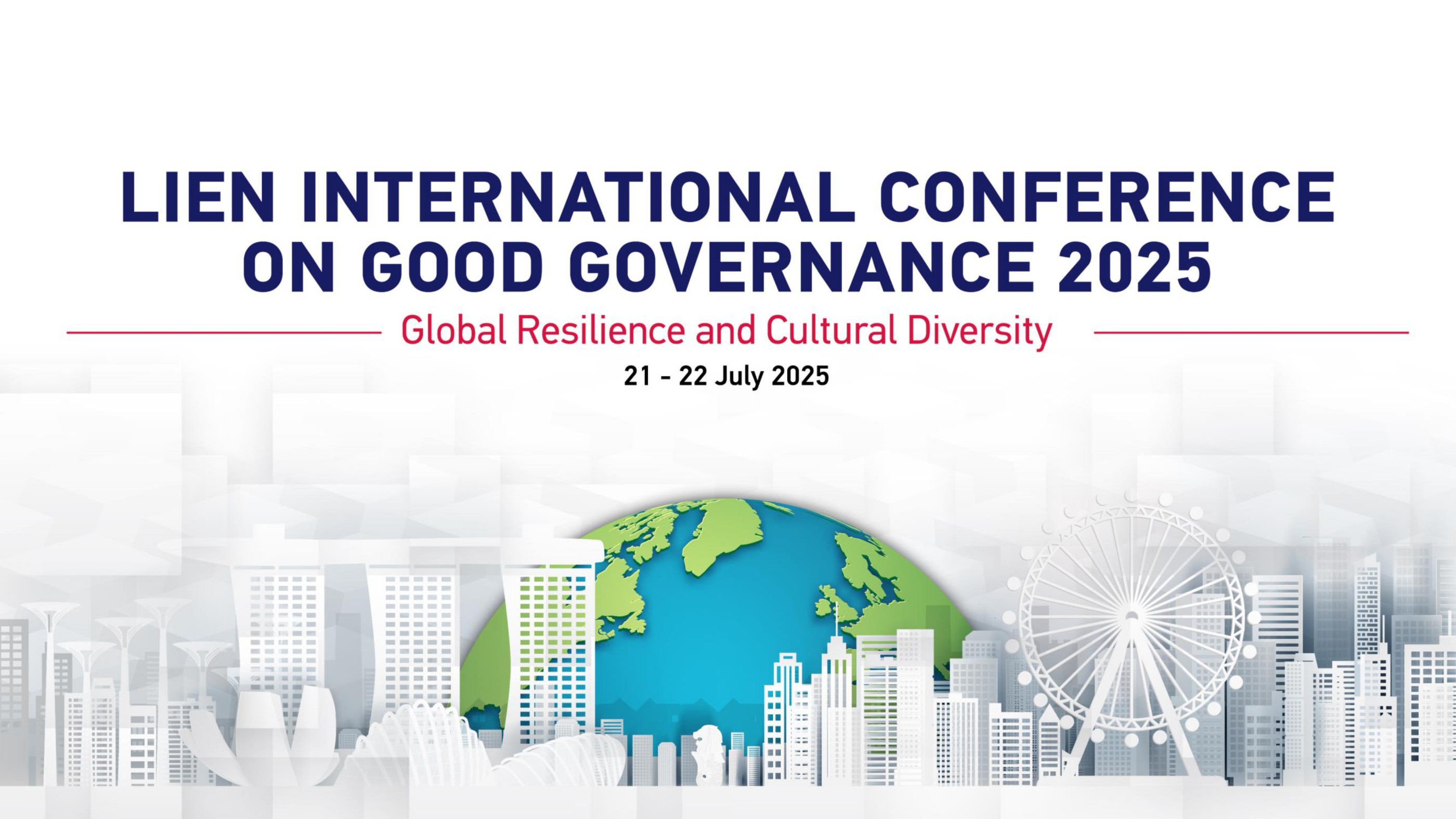
2025 Lien International Conference on Good Governance
Theme: Global Resilience and Cultural Diversity
Description
In an era of economic interdependence yet increasing geopolitical divisions, global governance is under strain. The shift towards a multipolar world signifies a profound transformation in global geopolitics, defined by the decentralization of power and the rise of influential regional actors. Disparity in economic and development scale and diversity in political dynamics, and interests, lead to unequal influence undermining collective goals. Global crisis and geopolitical conflicts have presented policymakers with daunting, interlinked, and often unprecedented challenges and disruptions. Resilience is the ability to withstand, recover from, and adapt to periodic shocks and major disruptions. Bolstering resilience at multiple levels requires fostering a culture of preparedness and resourcefulness in the face of growing global turbulence. International cooperation is vital not only between governments, but through civil society, business, and professional collaboration. When adopted by policy- and decision-makers, resilience is shaped, and shapes, different forms of governance that embrace diverse sets of values, and thus might embody dissimilar moral worth to stakeholders. The adoption of the resilience framework in different contexts has given rise to a range of very different governance approaches. The wide range of different contexts in which the resilience framework has been adopted leads to a variety of governance processes.
The rise of multipolarity, financial innovation, technological disruption, and social transformation have reshaped governance frameworks. The evolving global landscape demands a rethinking of resilience—adapting institutions, policies, and governance mechanisms to safeguard economic stability, foster diversity, and navigate technological shifts. The 2025 Lien International Conference will examine how governance structures can balance resilience, inclusivity, and innovation across sectors, from geopolitical strategy to digital transformation, sustainable development, and financial governance. We welcome theoretical, empirical, practical, and comparative studies on all aspects of governance in different countries and regions related, but not limited to, the following themes:
-Resilience in a Fragmented World
-AI, Ethics, and Global Governance
-Digitalization, Cybersecurity, and Public Trust
-Lessons from History: Governance in Times of Crisis
-Governing Cultural and Social Diversity
-Trade, Economic Governance, and Global Supply Chains
-Financial Technology, Wealth Management, and Governance Innovation
-Sustainable Development, Climate Finance, and Governance
-ASEAN’s Strategic Relevance in a Multipolar World
-Regionalism and Cross-Border Cooperation
Event Details

 21/07/2025 - 22/07/2025
  2 days
  In-person
 Welcome Speakers
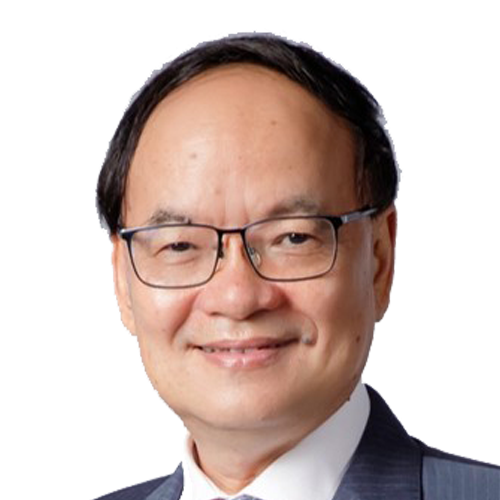
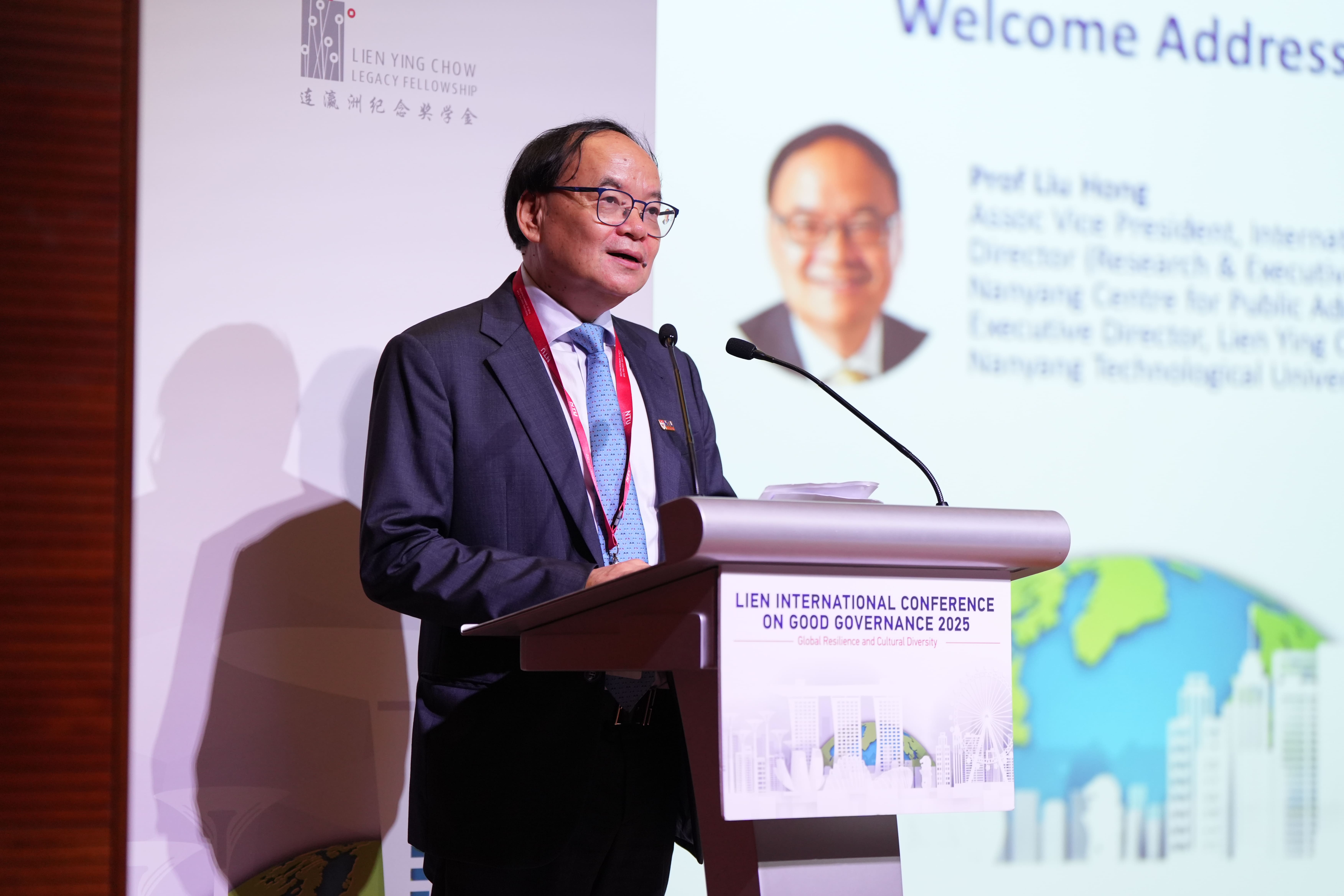
Prof. Liu Hong
Director (Research & Executive Training) at Nanyang Centre for Public Administration
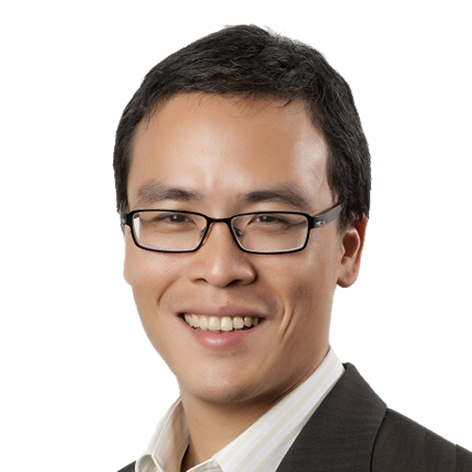
Mr. Laurence Lien
Chairman at Lien Foundation
.png)
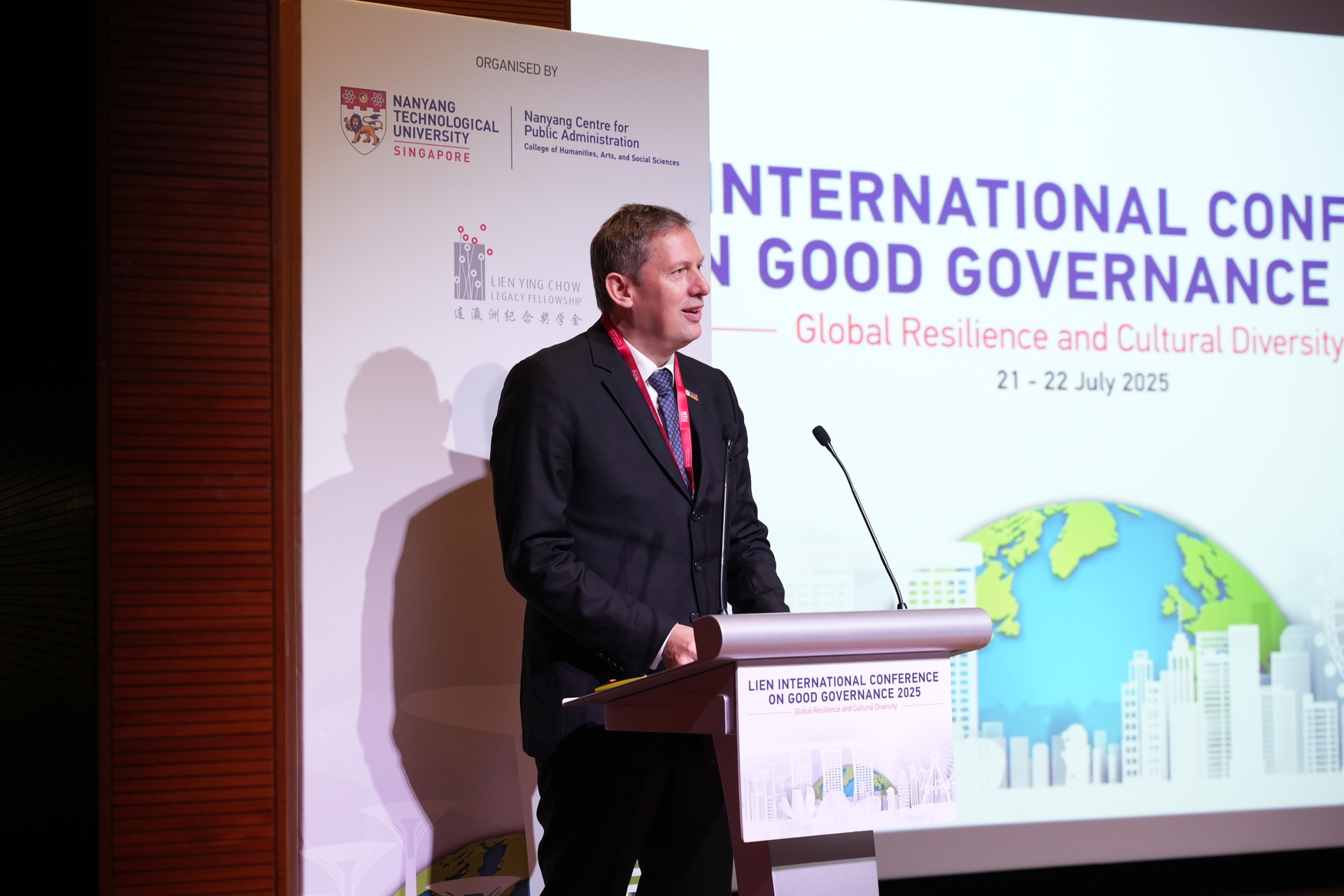
Prof. Christian Wolfrum
Deputy President and Provost at Nanyang Technological University, Singapore
Keynote Speakers
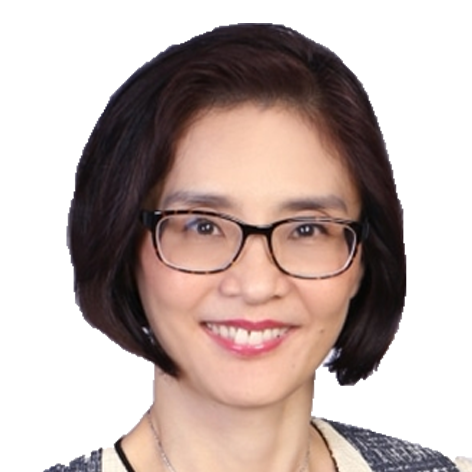
Ms. Chang Hwee Nee
Chief Executive at National Heritage Board
Chang Hwee Nee is the Chief Executive of the National Heritage Board (NHB). Since joining in 2017, she leads the NHB in fulfilling its role as the custodian of Singapore’s heritage – promoting and safeguarding Singapore's tangible and intangible heritage; developing museums and the heritage sector; and fostering community partnerships to promote national identity, social cohesion, and well-being. Prior to NHB, she held senior positions in the Ministries of National Development, Education, Health, and Finance, where she formulated and implemented policies, plans, and programmes for the physical development of Singapore – covering the areas of land-use planning, urban development, park development and management, and nature conservation; educational strategies and policies; healthcare financing, manpower and infrastructural development; and taxation.
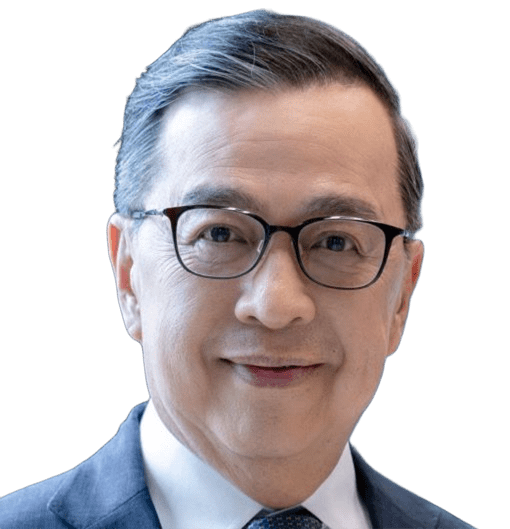
Prof. Alan Chan
Provost at Singapore Management University
Speech Title: Good Governance for Global Resilience and Cultural Diversity: Confucian Perspectives
Professor Alan K.L. Chan is Kwan Im Thong Hood Cho Temple Chair Professor of Inter-Religious Studies and Harmony and Provost at Singapore Management University (SMU). Prior to joining SMU, Professor Chan was Provost and J.S. Lee Professor of Chinese Culture at the Chinese University of Hong Kong (CUHK). From 2009 to 2020, he served as Toh Puan Mahani Idris Daim Chair Professor of Humanities, Dean of the College of Humanities, Arts, and Social Sciences, and from 2018, Vice-President at the Nanyang Technological University (NTU) of Singapore.
Professor Chan obtained his PhD degree in Religious Studies from the University of Toronto and began his academic career at the University of Manitoba, Canada. He then joined the Department of Philosophy, National University of Singapore (NUS), where he held several leadership roles, including the Vice-Dean of the Faculty of Arts and Social Sciences, and Associate Provost (Undergraduate Education). While at NUS, Professor Chan twice received the Teaching Excellence Award.
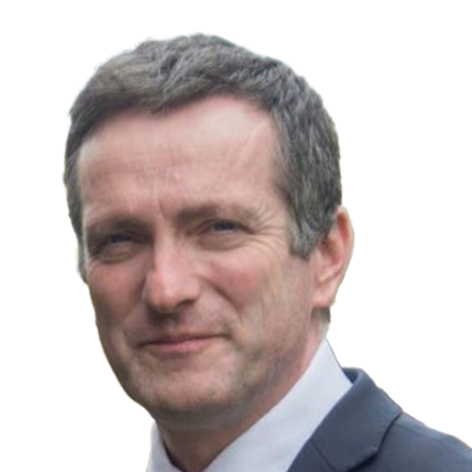
Prof. Michael Kenny
Director at Bennett Institute for Public Policy, Cambridge University
Speech Title: Governing well in the age of turbulence: is there a way forward for evidence-based policymaking
Michael Kenny was appointed inaugural Director of the Bennett Institute for Public Policy at the University of Cambridge, and will be the inaugural Dean of the Bennett School for Public Policy from August 2025. He is also Professor of Public Policy at Cambridge University and Professorial Fellow at Fitzwilliam College. Before he arrived in Cambridge, Michael held positions at: Queen’s University, Belfast; the University of Sheffield, where he was appointed Head of the Department of Politics; and Queen Mary University of London, where he was the inaugural Director of the Mile End Institute. In 2021 he was made a Fellow of the UK’s Academy of the Social Sciences. He writes extensively on governance, place, infrastructure policy and national identity.

Prof. Jon Wilson
Dean at College of Humanities, Arts and Social Sciences, Nanyang Technological University
Prof Jon Wilson is a historian and university leader, who has been Dean of the College of Humanities, Arts and Social Sciences at NTU since 1 July 2025.
Prof Wilson’s research focuses on the practice of politics and statecraft in South Asia, and on a global scale. Interested in explaining large-scale historical processes with reference to micro-level interpersonal interaction, Prof Wilson is particular concerned with the way people respond to uncertainty and chaos. His third major book, Out of Chaos, shows how the nation state emerged as a global political form in response to the global postwar political and economic crisis in the late 1940s, and will be published in 2026. Prof Wilson’s research increasingly using digital analytical tools to trace changes in practical political discourse. Prof Wilson’s approach to politics is informed by close engagement with political practice; he has worked as a policy analyst and political speechwriter.
Before joining NTU, Prof Wilson had a 25-year career at King’s College London. In a range of leadership positions, Prof Wilson has particularly been committed to creating more globally-engaged, inter-disciplinary curricula, and bringing scholars from multiple disciplines together top tackle shared problems. Outside professional life, Prof Wilson is the father of two daughters, and likes to cook and run, particularly in mountains.
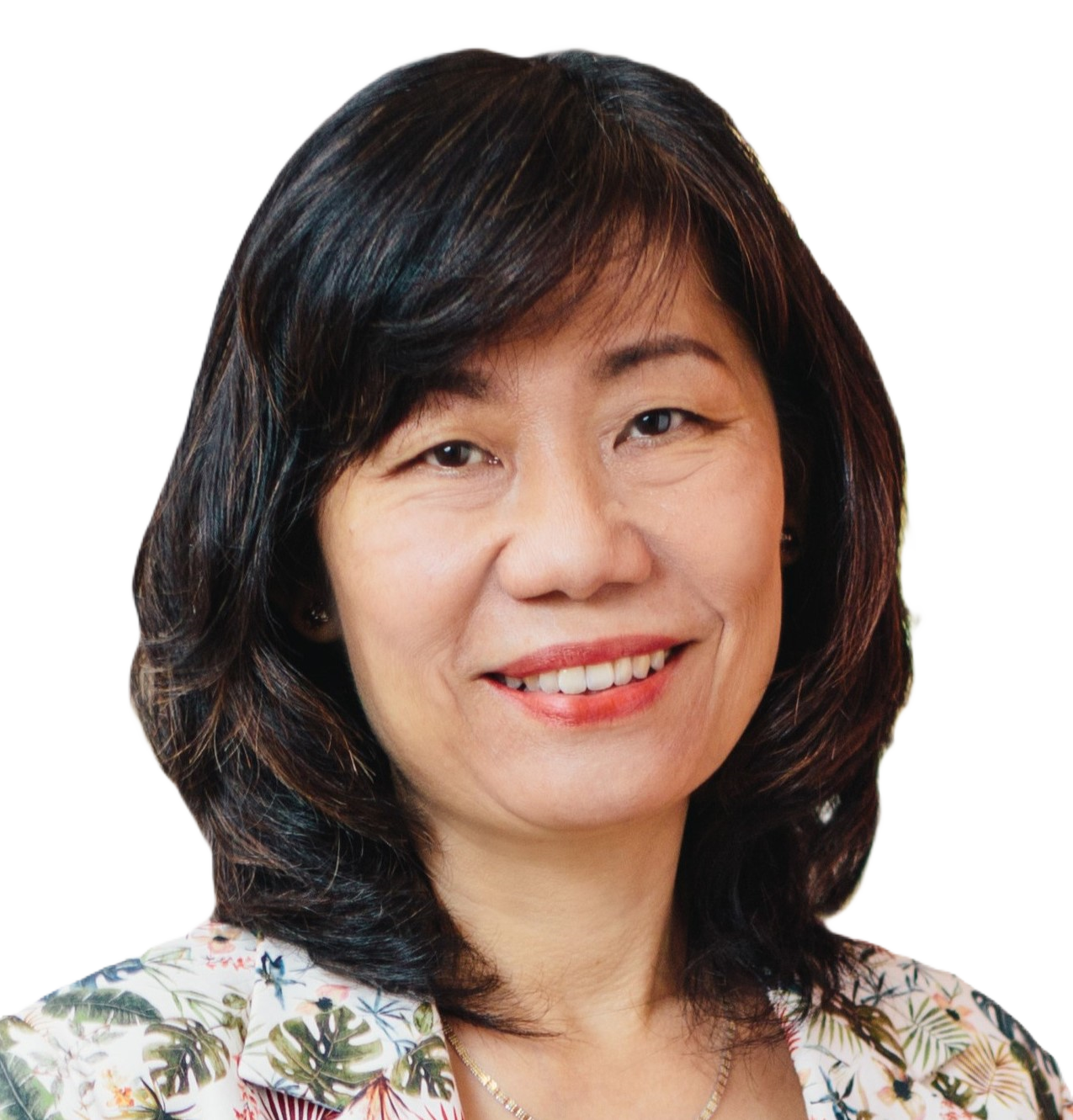
Mrs. Rosa Huey Daniel
Dean at Culture Academy, Ministry of Culture, Community and Youth
In Sep 2022, she was appointed Singapore’s Ambassador to UNESCO where she represents Singapore’s interests in preserving our culture and heritage, as well as profiling our achievements in education and science.
Prior to her appointments in the culture sector, Rosa has had extensive leadership roles in different aspects of public administration. She served as Deputy Secretary (Culture) from 2012 to 2021 in the Ministry of Culture, Community and Youth, and was concurrently Chief Executive of the National Heritage Board from 2013 to 2017. From 2017 to Feb 2023, she held the concurrent appointment of Chief Executive of the National Arts Council
Rosa was Deputy Secretary in the Ministry of the Environment and Water Resources and has also served in the Public Service Division as Head of its Strategic Policy Office, and Director overseeing the Institute of Policy Development within the Civil Service College. Her other earlier postings within the Civil Service included stints with the Ministry of Trade and Industry, the Ministry of Education, the Ministry of Finance and Ministry of Manpower. She was also the Head of an international network of Contact Singapore offices from 1999 to 2001.
Rosa was conferred the Public Administration Medal (Silver) in 2007 and the Public Administration Medal (Gold) in 2018 by the Singapore government. In 2020, she was conferred the rank of Officer in the Ordre des Arts et des Letters from the French Government.
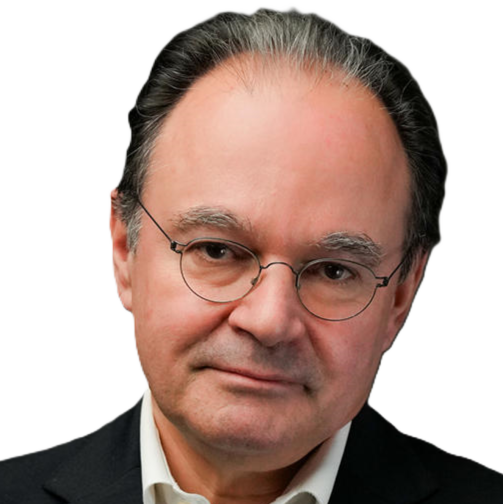
Prof. Georgios Papakonstantinou
Professor and Academic Director at Florence School of Transnational Governance, European University Institute
George Papaconstantinou is Professor of International Political Economy at the European University Institute and the Acting Director of the EUI School of Transnational Governance. He studied economics in the UK and the US, obtaining a Ph.D in Economics from the London School of Economics. He has worked for 10 years as a senior economist at the OECD in Paris. After being elected to the Greek Parliament and the European Parliament, in 2009 he was appointed Finance Minister in Greece and from that position played a key role in the Greek crisis, negotiating the first Greek bailout. Subsequently, as Minister of Environment and Energy, he pursued policies to advance Greece’s sustainable growth agenda. His book on the crisis Game Over: The Inside Story of the Greek Crisis, has been published in Greek, English and German. His book Whatever It Takes – The Battle for Post-Crisis Europe debates the lessons from the Eurozone crisis for EU governance. His recently published book New World New Rules – Global Cooperation in a World of Geopolitical Rivalries (co-authored with Jean Pisani Ferry) examines governance in key policy areas in the context of current challenges. His research focuses on the economics and politics of crises, the political economy of European integration and the transformation of global governance.
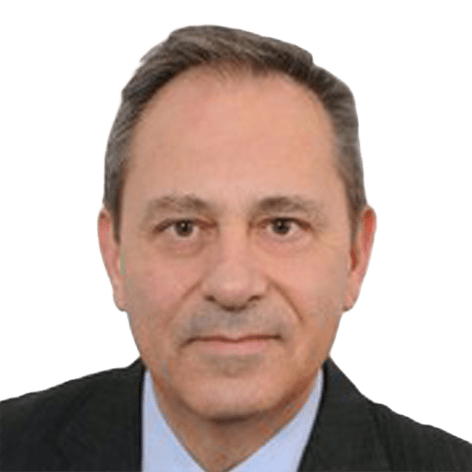
Mr. Vassilis Exarchos
President at National Center for Public Administration & Local Government, Greece
Mr. Vassilios Exarchos is an Economist and served as Vice President of the National Center for Public Administration and Local Government (EKDDA) during 2021-2023, while, in the years 2023 and 2024, he acted as President of the same institution. Since the first quarter of 2025, he has been serving as President of EKDDA after being selected by the Minister of Interior following a competitive process.
He has worked in financial institutions in large financial groups in the USA and since 1992 in the Banking Sector in Greece. He assumed high management positions at Eurobank, Geniki Bank and Piraeus Bank, while he also served as President of the Institute of Agricultural Sciences in Athens.
He studied Economics at Northeastern University in Boston (USA). He received a Master's degree in Economics and Business Administration, while, at the same time, he specialised his studies in Regional Development, Political Science and Econometrics. He then received the SS & CZoologic Learning Solutions diploma from Harvard University, excelling in specialised knowledge in financial banking.
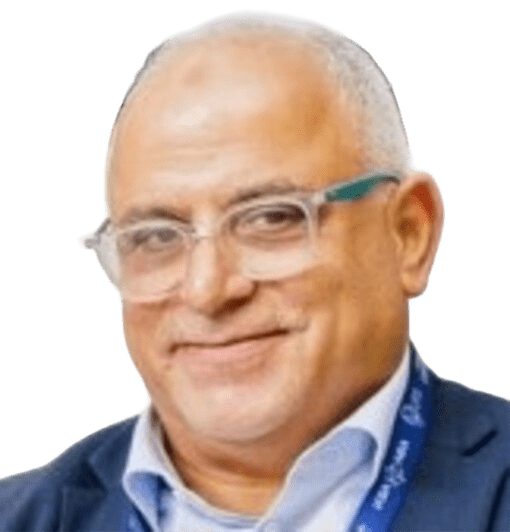
Dr. Sofiane Sahraoui
Director General at International Institute of Administrative Sciences (IIAS), Brussels
Sofiane SAHRAOUI, PhD is the Director - General of the International Institute of Administrative Sciences (IIAS), since May 2017 and was the recipient of the Jose Edgardo Campos Collaborative Leadership Award from the World Bank Group in 2017. He is a founding member of the MENAPAR (Middle East & North Africa Initiative for Public Administration Research) network; and founding President of the Arab Governance Institute (AGI). He is a member the Executive committee of CANSPPA (Chine-Arab Network of Schools of Public Policy and Administration). He is constantly invited to keynote at major international events.
Dr. Sahraoui holds a Ph.D. from the University of Pittsburgh (Katz Graduate School of Business), and a MSc. from the University of Oxford (College of St Anne’s). He has published 4 books and more than 50 research articles on public and local governance, and the governance of education and training. He has consulted on public governance and higher education for major organizations like the African Development Bank, EU, OECD-SIGMA, UNDP, GiZ, governments and universities.
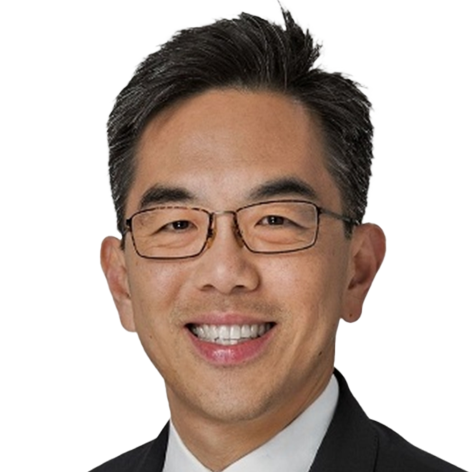
Prof. Wong Tien Yin
Vice Provost at Tsinghua University
Speech Title: Science, Technology and Healthcare in China: Observations and Lessons for Singapore
Professor Tien Yin Wong is a physician-scientist-innovator and the Senior Vice-Chancellor of Tsinghua Medicine and Vice-Provost of Tsinghua University, China. He has worked and held senior leadership roles in Singapore and Australia, including at the National University of Singapore. SingHealth Duke-NUS Academic Medical Centre, Singapore National Eye Centre and University of Melbourne.
Prof Wong is a practicing retinal specialist, with a research portfolio on retinal diseases, ocular imaging, AI and digital technology. He has published >1,500 peer-reviewed papers (h-index 229, highly cited researcher 2018, 2020 to 2024), given >500 invited named, plenary and symposium lectures, and received >US$100 million in grant funding. Prof Wong has been recognized with multiple international awards, including Arnall Patz Medal (Macula Society), the Jose Rizal Medal (Asia Pacific Academy of Ophthalmology) and the Friedenwald Award (ARVO). He has received Singapore’s President’s Science and Technology Award. He is an elected international (foreign) member of the US National Academy of Medicine and the Australian Academy of Health and Medical Sciences. He is also an elected fellow of the Royal Society.

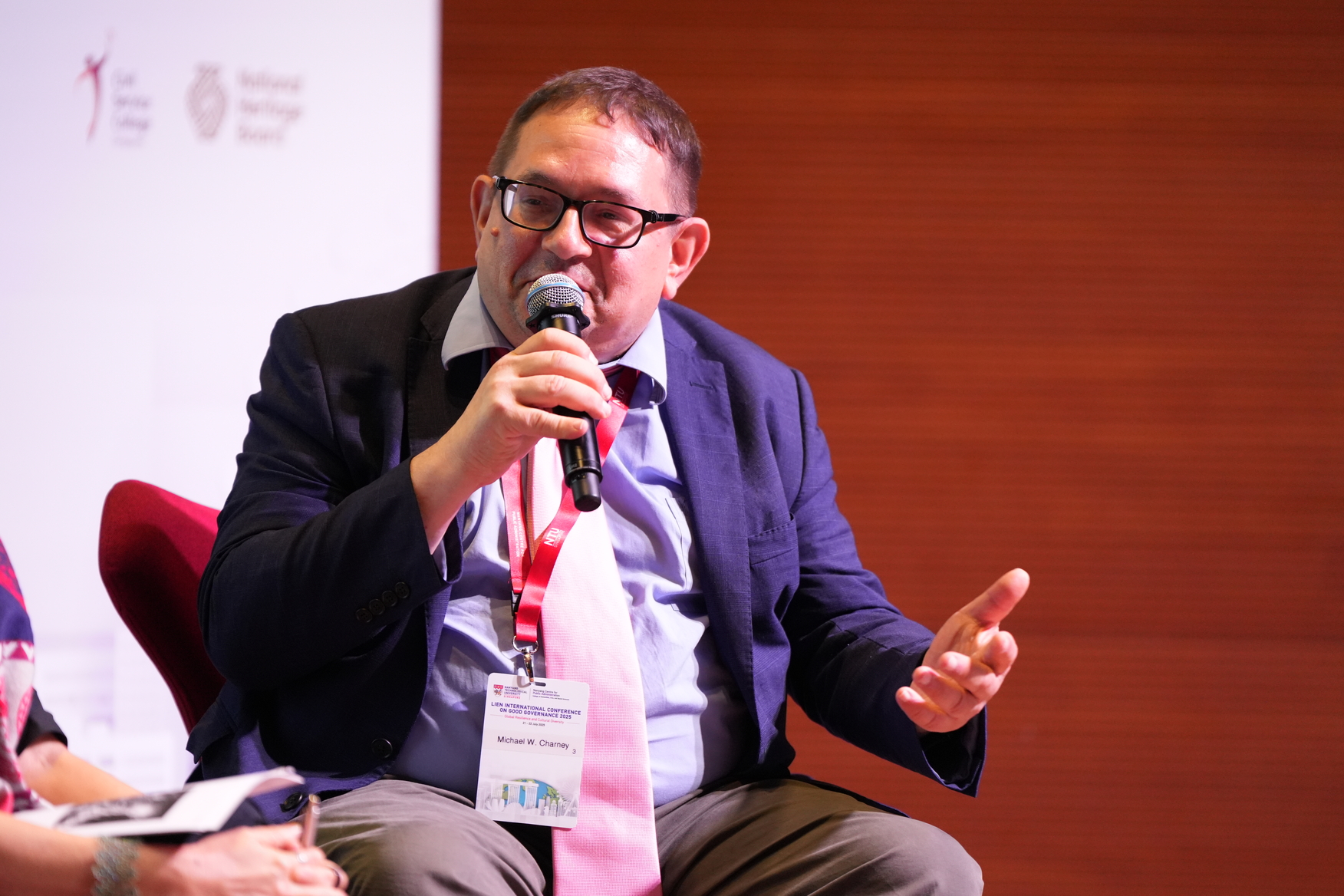
Prof. Michael W. Charney
Director at Centre for South East Asian Studies, School of Oriental and African Studies, University of London
Speech Title: Myanmar’s Crisis: Challenges and Opportunities for ASEAN and China
Professor Michael W. Charney is a military and intellectual historian specializing in premodern, modern, and contemporary Southeast Asia. He earned his PhD from the University of Michigan in 1999 with a thesis on the emergence of religious communalism in Rakhine (Myanmar). From 1999 to 2001, he held a two-year postdoctoral fellowship on migration and religion at the Centre for Advanced Studies (now the Asia Research Institute). Since 2001, he has been a faculty member at SOAS, University of London, and has also served as a visiting professor at the Institute for Advanced Studies on Asia and the University of Tokyo. At SOAS, he holds a joint position between the Centre for International Studies and Diplomacy in the School of Politics and International Studies and the School of Histories, Religions, and Philosophies. Professor Charney is currently the Director of SOAS’s Southeast Asia Centre. He is the author of four monographs, the co-editor of seven books, and has published numerous journal articles and book chapters. His primary research focuses on Myanmar and Ghana.
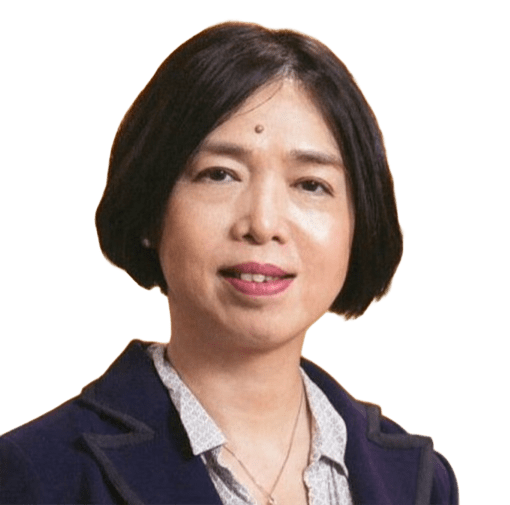
Prof. LI Che Lan Linda
at Founding director, Research Centre for Sustainable Hong Kong, City University of Hong Kong
Speech Title: Navigating the Turmoil with Resilience: Roles of Hong Kong in a Globalising China
Linda Chelan Li is Professor of Political Science at Department of Public and International Affairs and Director of the Research Center for Sustainable Hong Kong (CSHK), City University of Hong Kong. She served as Associate Provost (Strategic Planning) of the University from September 2013 to September 2016. In 2019, she is awarded the Humanities and Social Sciences Prestigious Fellowship Scheme (HSSPFS) from the Research Grants Council of the HKSAR Government in support of her research on the Belt and Road Initiative.
Li is author/editor of several influential works on Chinese policy, politics and political economy: Centre and Provinces. China, 1978-1993. Power as non zero sum (Oxford: Clarendon 1998, 2002), Rural Tax Reform in China. Policy processes and institutional change (London: Routledge 2011), and Hong Kong Professional Services and the Belt and Road Initiative: Challenges for co-evolving sustainability (with Phyllis Mo and others) (London: Routledge 2023), The Chinese State in Transition (Routledge 2008), Towards Responsible Government in East Asia (Routledge 2009), Towards Good Governance in Asia (Routledge, 2014), and Facts and Analysis: Canvassing Covid-19 and Policy Responses (City University of Hong Kong Press, 2021). She also edits the first handbook in public finance in China in the English language, Handbook of Public Finance in China, forthcoming by Edward Elgar Publishing.
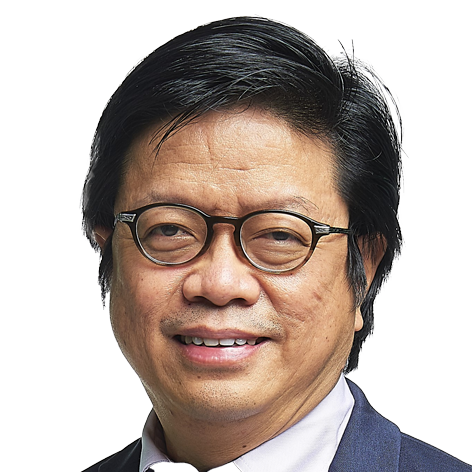
Prof. Yohanes Eko Riyanto
Chair at School of Social Sciences, Nanyang Technological University
Speech Title: Why We Make the Choices We Do: An Introduction to Behavioral Economics
Professor Yohanes Eko Riyanto is a leading scholar in Experimental and Behavioral Economics at Nanyang Technological University, where he has served on the faculty since 2009. He is currently Professor of Experimental and Behavioral Economics and Chair of the School of Social Sciences. His research uses controlled laboratory experiments to explore how preferences, beliefs, behavioral biases, and institutional settings influence decision-making at both individual and group levels. His work has been published in top journals, including the Journal of Finance, Management Science, Economic Journal, Journal of Economic Theory, Review of Economics and Statistics, and Games and Economic Behavior. He is a co-recipient of the 2020 Vernon L. Smith Research Excellence Award in Experimental Finance and was a finalist for the 2016 Exeter Prize, which honors outstanding contributions in Experimental Economics, Decision Theory, and Behavioral Economics. He teaches Behavioral Economics and Microeconomics at both undergraduate and graduate levels.
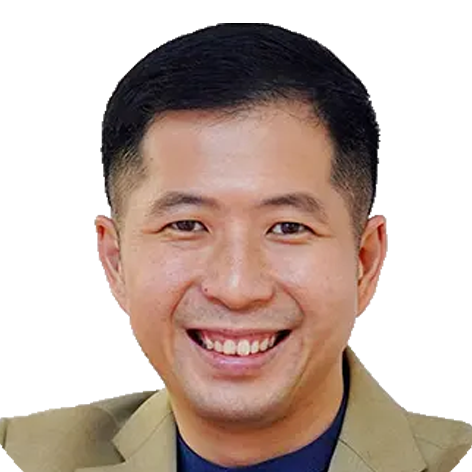
Mr. Sim Fengji
Deputy Secretary (Digital Government) at Ministry of Digital Development and Information, Singapore
Speech Title: Singapore’s approach to AI Innovation and Governance
Mr Sim Feng-ji is the Deputy Secretary (Digital Government) in the Ministry of Digital Development and Information. He oversees efforts to transform Singapore and Digital Government so that we can harness technology to effect transformation in health, transport, urban living, government services and businesses. This includes efforts to build better digital products, and raise Government capabilities in areas such as Artificial Intelligence and Smart Cities.
Prior to this, Mr Sim was the Divisional Director of Income Security Policy Division at the Ministry of Manpower, where he oversaw policies related to CPF, income security and financial planning.
Mr Sim has been involved in the review of Singapore’s economic and social policies in various capacities, including the Committee on the Future Economy, the Economic Strategies Committee, and the Inter-ministerial Committee on Low Wage Workers. He has held positions in the Ministry of Trade and Industry, Ministry of Home Affairs and Ministry of Finance.
Mr Sim graduated from the University of Cambridge with a Master’s of Arts in Economics. He obtained a Master’s of Business Administration and a Master’s of Science in Political Science from the Massachusetts Institute of Technology.
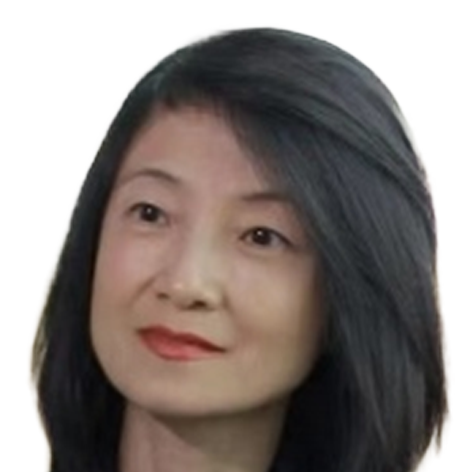
Dr. Zhang Monan
Director at Department of American and European Studies, China Center for International Economic Exchanges (CCIEE), China
Speech Title: Global Governance of Cross-Border Trade in AI Products and Services
Zhang Monan, Director of the institute of American and Europe Studies of CCIEE.She holds a PhD in Management and Science and Engineering from Harbin Institute of Technology and was a postdoctoral fellow at the National Information Center. She is Exchange scholar of the United Nations Development Program (UNDP) International Cooperation Project, senior visiting scholar of the Visiting Scholar Program (VFP) of the Korea Institute for International Economic Policy, and Lian Yingzhou Memorial Scholar of Nanyang Technological University, Singapore.
She serves as a senior professional title evaluation expert at the National Development and Reform Commission, a member of the Digital Trade Expert Committee of the Cyberspace Administration of China/Ministry of Commerce, and an expert on the Evaluation Committee of the Chinese Statistical Society of the National Bureau of Statistics.
She has long been committed to research in the fields of global macroeconomic analysis, global value chains and global economic and trade rules, as well as Sino-US relations and Sino-EU relations. In recent years, he has successively presided over and undertaken more than 70 projects of the National Social Science Fund, the United Nations Development Program, the World Bank, etc. He has published hundreds of academic papers, policy papers, internal reference reports, etc. in core academic journals at home and abroad such as "China Soft Science", "Management World", "Science Research", "Macroeconomic Management", "International Issues Research", "Contemporary World", and SCCI journals. He has published seven academic monographs, including "Entrepreneurial Economy", "Great Change: Global Value Chain and Next Generation Trade Governance", "The Game: China's Opportunities and Challenges under the Change of Global Value Chains", and "China-EU Competition and Cooperation", and participated in co-authoring and editing more than 20 academic works.
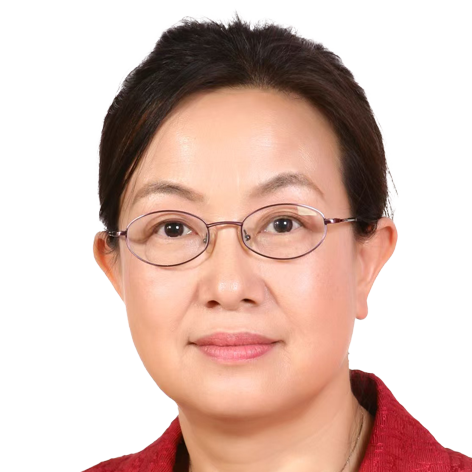
Prof. Shi Hong
Director at Office of Regional Economics, Economic Department, Party School of the Central Committee of the C.P.C., China
Speech Title: Changing Landscape and Emerging Trends in International Trade
Shi Hong is a Professor and Doctoral Supervisor at the Party School of the Central Committee of the CPC (National Academy of Governance), where she also serves as a postdoctoral supervisor. Holding a Ph.D. in Economics, she currently heads the Department of Regional Economics within the School of Economics at the institution.
Professor Shi is a recipient of the Outstanding Teaching Award from the Party School of the Central Committee of the CPC (National Academy of Governance) and serves as the lead researcher for projects funded by the National Social Science Fund.
Her primary research areas include: Macroeconomic trends、Economic reform and development、 Transformation and upgrading of modern industrial structures、Rural revitalization strategy.
She has authored three books.
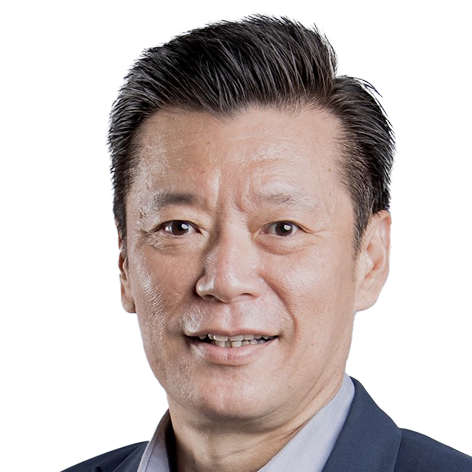
Mr. Goh Sin Teck
Editor at Lianhe Zaobao, SPH Media, Singapore
Sin Teck joined Lianhe Zaobao, SPH Media’s Chinese flagship paper, in 1987 upon graduating from the National University of Singapore with a Bachelor of Arts in Sociology. He started as a crime reporter before assuming his current role as the Editor of Lianhe Zaobao in 2011.
Sin Teck has served in various committees including Nanyang Technological University’s Board of Trustees, Housing Development Board, Urban Redevelopment Authority Board, Public Transport Council, Primary Education Review and Implementation Committee, Singapore 21 Subcommittee on Foreign Talent, Charity Council, National Integration Council, Political Films Consultative Committee, Committee to Promote Chinese Language Learning and National Translation Committee.
He currently sits on the Board of Directors of Singapore Chinese Cultural Centre.
Event Summary
The Lien International Conference on Good Governance 2025 gathers Experts and Global Thought Leaders in Singapore
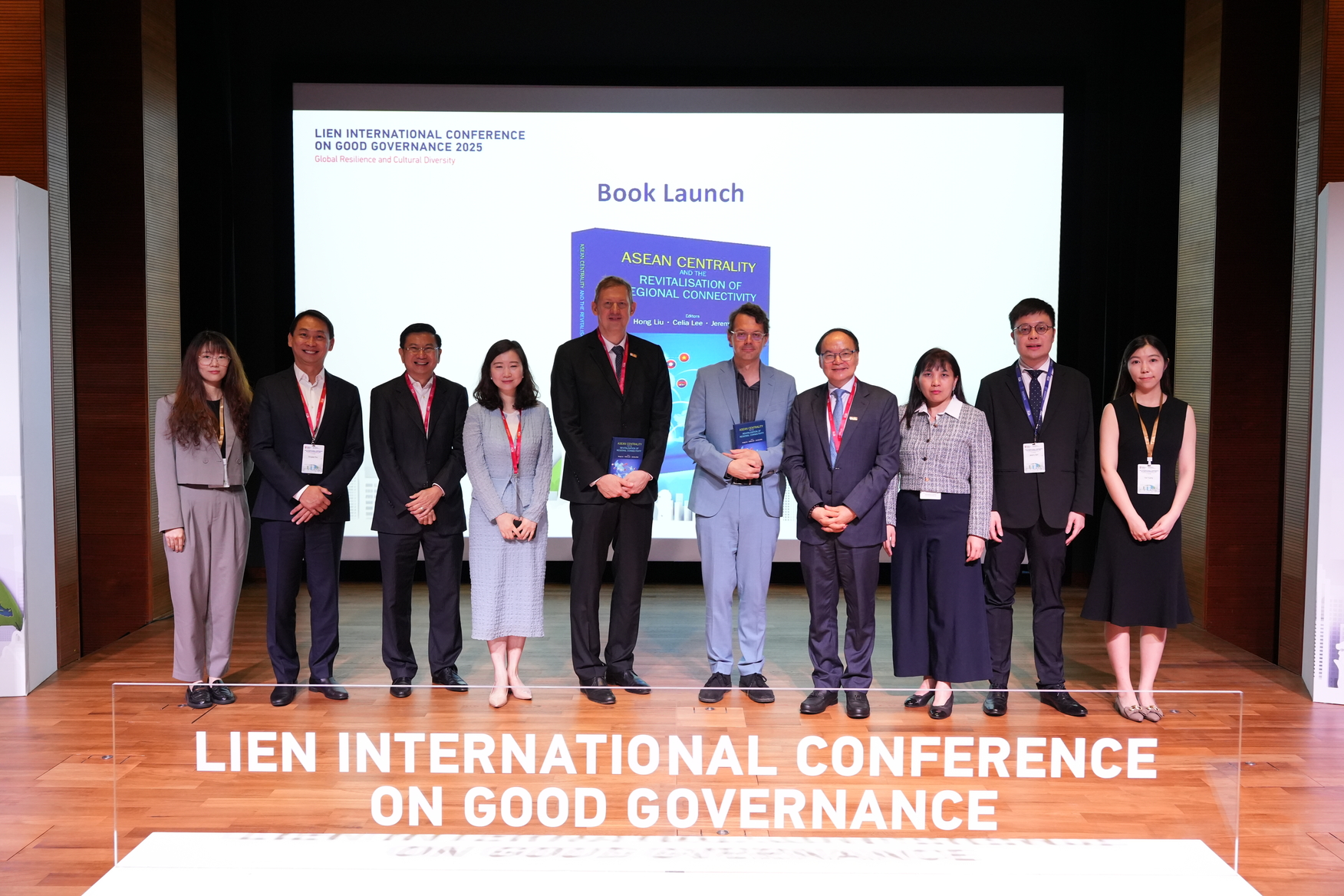
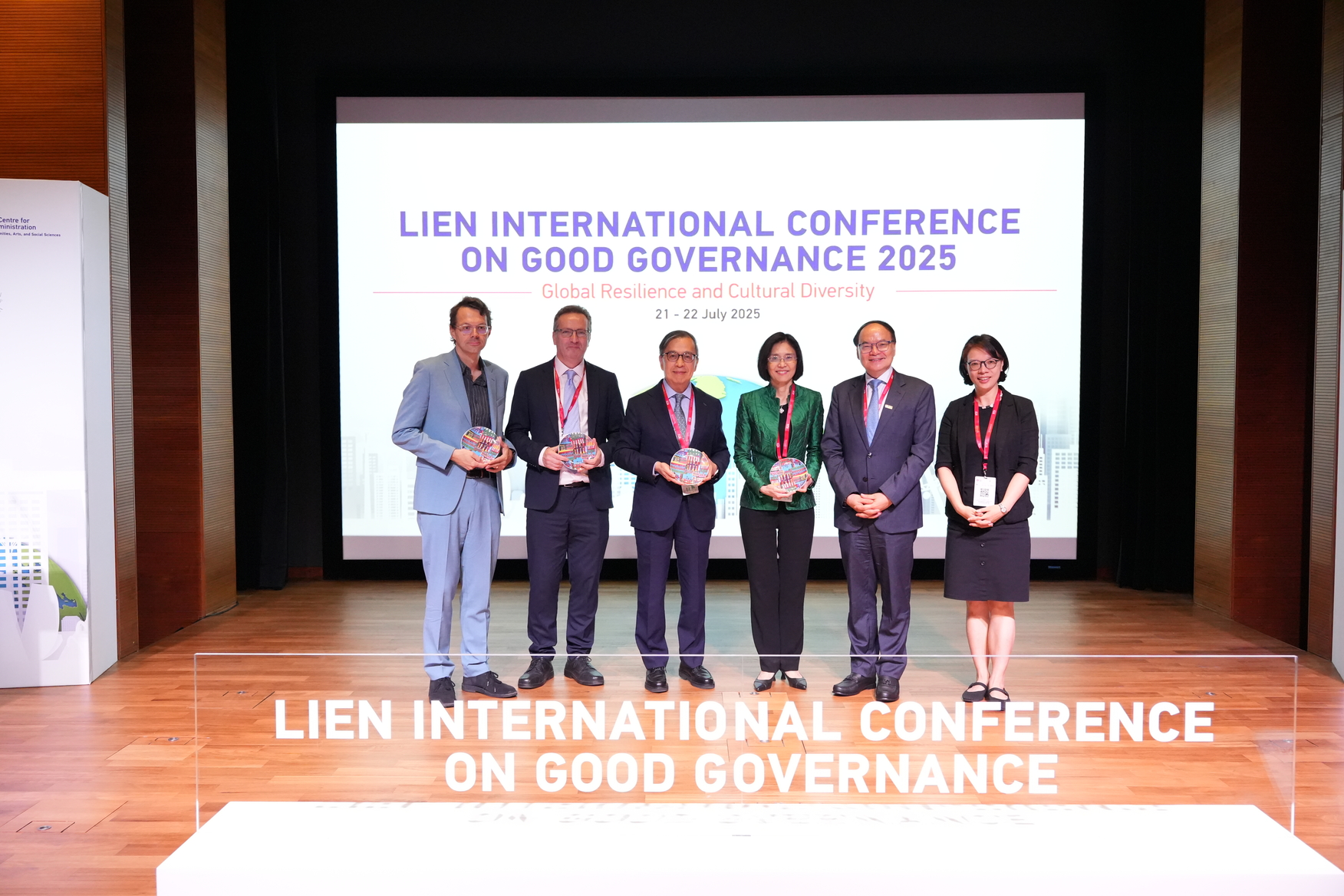
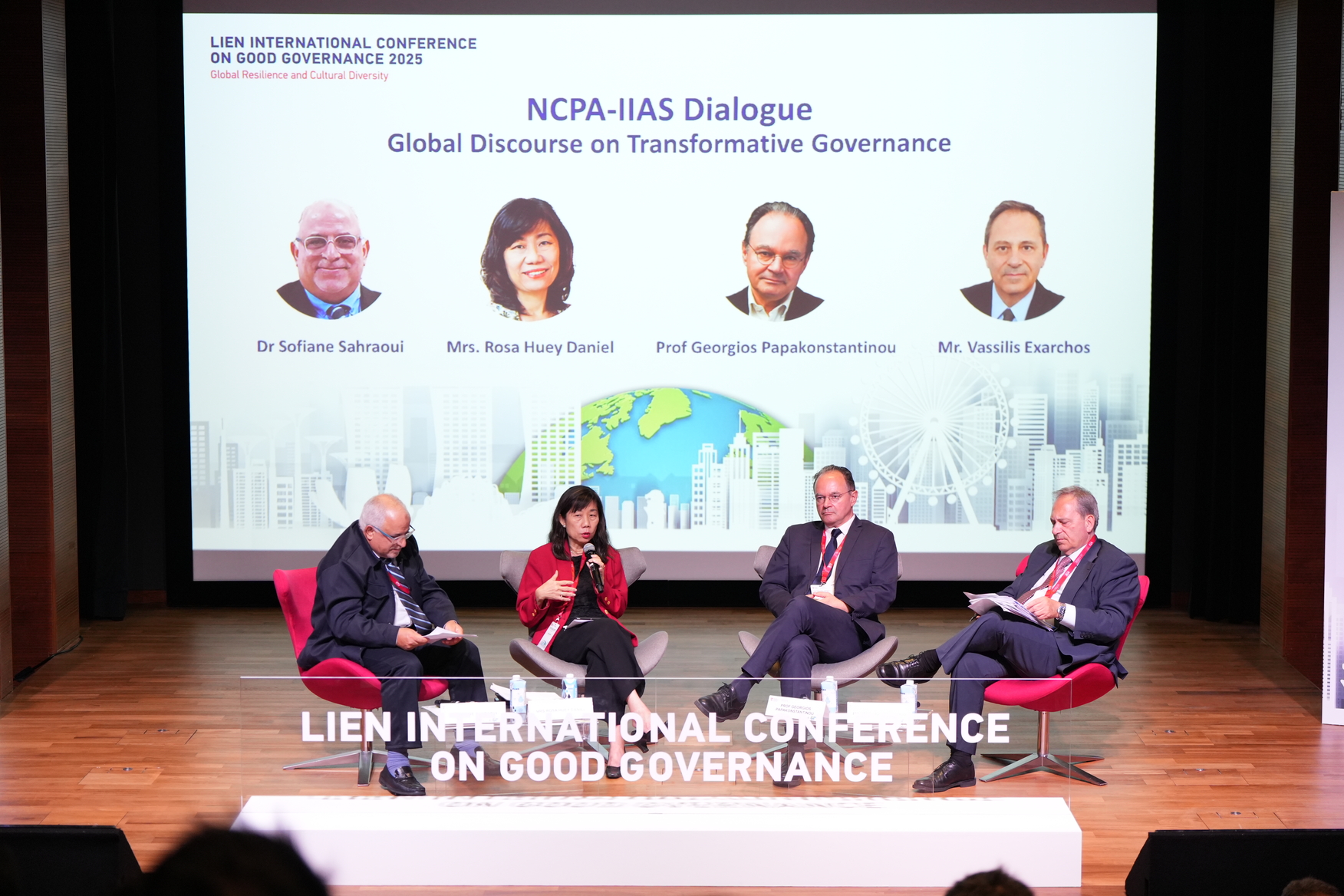
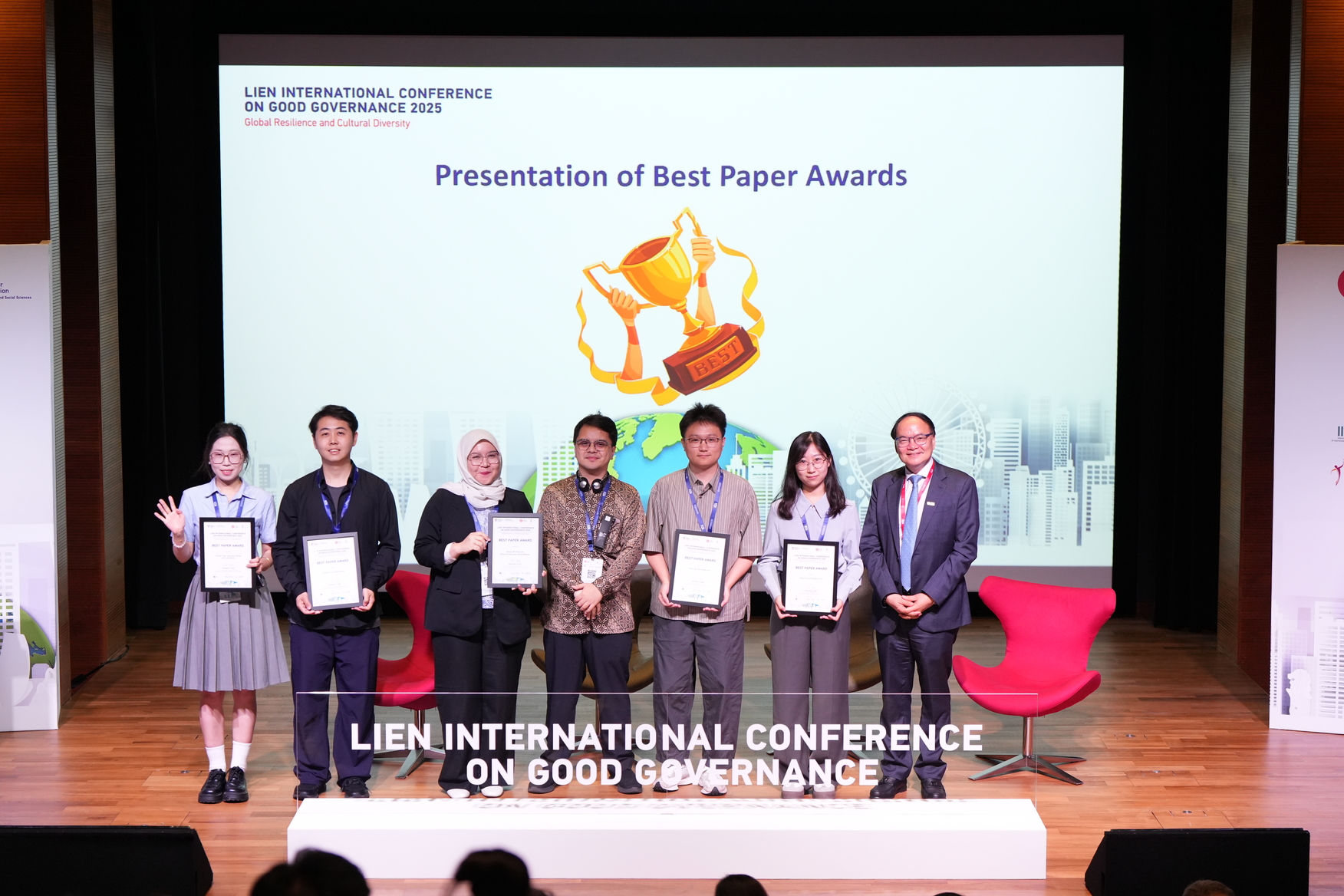
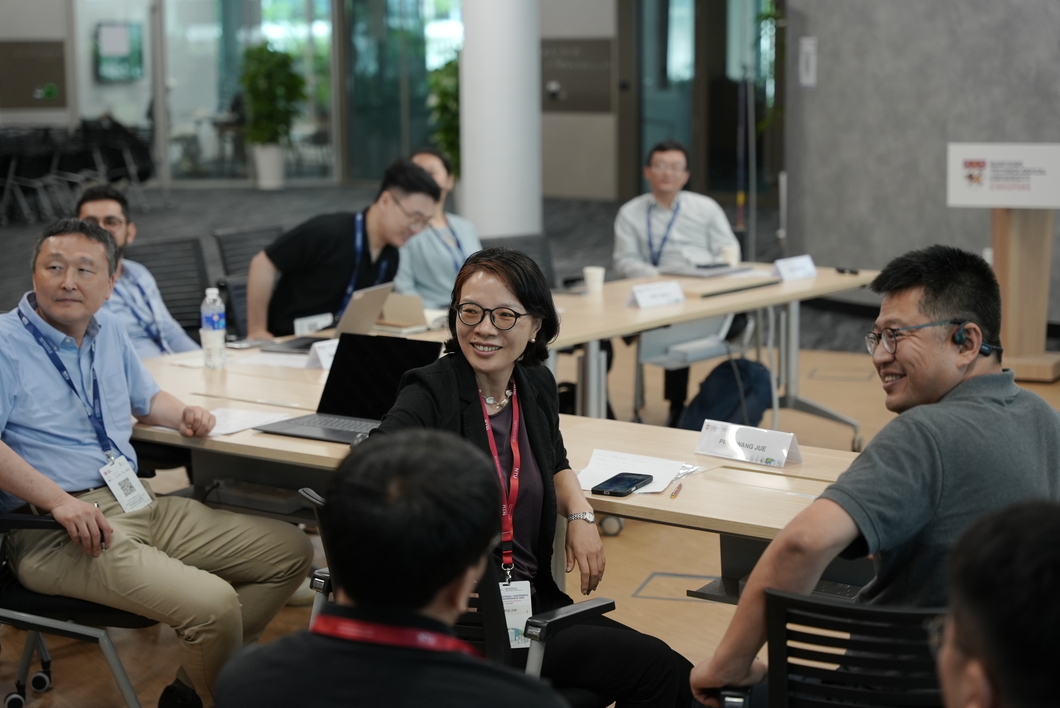
On 21 – 22 July 2025, the Lien International Conference on Good Governance 2025 concluded on a high note in Singapore, drawing over 300 distinguished participants from across the globe - including Singapore, China, India, South Korea, Australia, Greece, Africa and ASEAN member states. The well-attended biennial conference is recognised as one of the leading international events in public administration, serving as a dynamic platform for high-level engagement, thought leadership, and international collaboration on reimagining governance amid today’s complex global challenges. Jointly organised by the Nanyang Centre for Public Administration (NCPA) at NTU Singapore, and the Lien Ying Chow Legacy Fellowship (LYCLF) Programme, the event was co-hosted in collaboration with the International Institute of Administrative Sciences (IIAS), the Civil Service College (CSC) Singapore, and the National Heritage Board (NHB), Singapore. Themed “Global Resilience and Cultural Diversity”, this year’s edition focused on how governance systems can evolve to be more adaptive, inclusive, and future-ready in an increasingly complex and multipolar world. Across two days of rich exchange, the conference featured insights from global leaders on topics such as geopolitical change, digital governance, sustainable development, financial transformation, and the role of artificial intelligence in policy and public service. Read More
Gallery
.jpg)